How Much Does It Cost to Release a Single in Canada?

· 11 min read
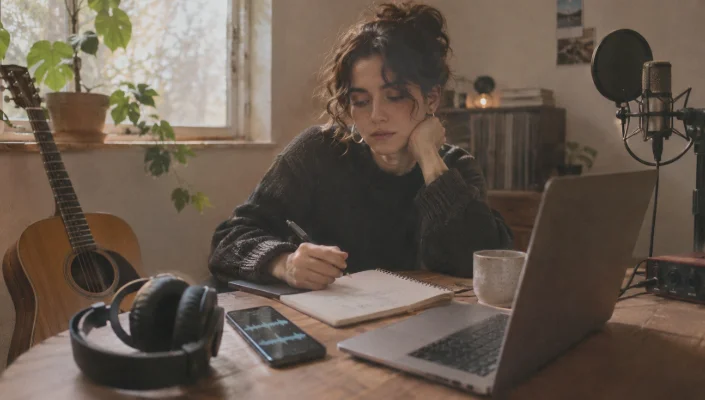
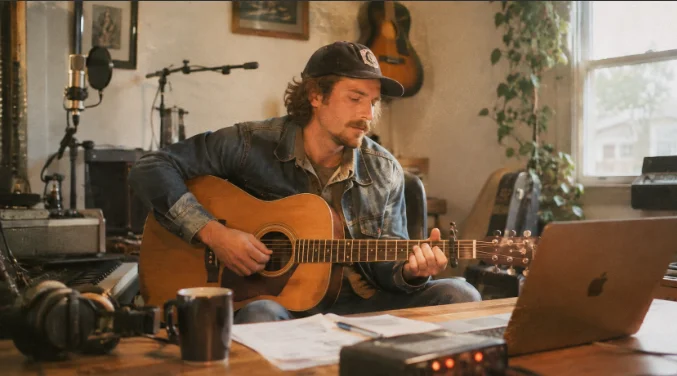
You have a song worth recording, a rough demo on your phone and an idea of how you want the finished track to sound. What you might not have is a clear sense of how much it will cost to get that song onto Spotify, Apple Music and other streaming services.
A modest budget can produce a convincing first single, provided you know where to spend your money and which expenses you can avoid.
What does releasing a single actually cost?#
For an independent artist in Canada, a reasonable starting budget for a single ranges from C$50 to C$2,000 or more, depending on how much of the work you handle yourself.
As a practical planning guide:
- C$50–$250: A DIY release using existing home recording equipment and mostly free tools.
- C$400–$900: A combination of home recording and selected professional services.
- C$1,000–$2,000+: Professional studio recording, mixing, mastering, artwork and a modest promotional campaign.
These are illustrative budget ranges rather than national market averages. A particularly simple release could cost less, while a complex production involving session musicians, an experienced producer or extensive marketing could cost considerably more.
Recording a song and releasing it are also two different expenses. The recording gives you the finished audio. Releasing it involves distribution, artwork, metadata, promotion and potentially ongoing fees.
Understanding that distinction makes it much easier to plan a budget that covers the entire project.
Where your release budget goes#
Recording and studio time#
Recording costs depend largely on the arrangement, the number of musicians involved and how well prepared everyone is before the session begins.
Canadian recording studios commonly offer hourly rates, half-day bookings and complete song production packages. Studios such as Mix11 in Ontario and other independent recording facilities offer different arrangements for solo artists, singer-songwriters and full bands.
If you only need to capture vocals over an instrumental you have already produced, a short studio session may be enough. Recording a four-piece band with live drums is a different undertaking, involving equipment setup, microphone placement, multiple takes and potentially additional editing.
Before booking studio time, prepare your arrangement, confirm the tempo and rehearse the parts you intend to record. Paying an engineer while your band decides how the second verse should go is an expensive way to finish writing a song.
If you are recording at home, your incremental recording costs may be close to zero, assuming you already own a suitable microphone, audio interface and headphones.
Mixing and mastering#
Mixing balances the individual elements of a recording. Mastering prepares the finished mix for distribution and helps it translate across different listening systems.
The two services are usually priced separately, although some studios offer combined packages.
A reasonable planning allowance for independent releases is approximately C$150–$400 for professional mixing and C$60–$100 for mastering. More complicated productions can cost substantially more.
Canadian studios such as Mix11 and Vancouver’s Suite Sound Labs provide useful reference points when comparing recording, mixing and mastering services. Request current quotes before committing to a budget, as prices and package inclusions can change.
When requesting a mixing quote, ask what is included. Vocal tuning, drum editing, extensive revisions and alternative versions may involve additional charges.
If your mix already sounds balanced on headphones, speakers and in the car, professional mastering alone might be the most sensible investment.
Cover artwork and release assets#
Your single needs cover artwork that meets your distributor’s technical requirements. It should also remain recognizable when displayed as a small thumbnail on a phone.
You can create suitable artwork yourself using original photography and free design software. Alternatively, you could set aside C$50–$150 as a starting budget for freelance design, depending on the work required.
Other visual assets might include promotional photographs, short vertical videos and social media graphics.
For a first release, a strong cover image and several well-made performance clips are generally more useful than an expensive collection of promotional materials you have no clear plan to use.
Make sure you have permission to use any photographs, illustrations, fonts or other creative assets incorporated into the release.
Music distribution and recurring fees#
Independent musicians typically use a digital distributor to deliver their music to Spotify, Apple Music and other streaming platforms.
Distributors generally operate through one of three pricing models:
- An annual subscription covering multiple releases.
- An upfront payment for an individual single or album.
- A revenue-sharing arrangement, sometimes combined with other fees.
DistroKid uses annual subscription plans, while CD Baby offers one-time distribution fees. TuneCore provides subscription-based and individual-release options.
The cheapest initial price is not necessarily the cheapest long-term option. Check whether additional services cost extra, whether your recordings remain available if you stop paying, and whether the distributor retains a share of your revenue.
For an artist releasing several singles throughout the year, an annual subscription may offer better value. Someone planning to release music occasionally might prefer a one-time payment, depending on the distributor’s terms.
If a subscription is advertised in US dollars, account for currency conversion, applicable taxes and any foreign transaction fees charged by your payment provider.
Promotion and release-day expenses#
You can release a single without spending anything on advertising. Free promotional opportunities include live performances, mailing lists, short-form videos, personal outreach and editorial playlist pitching through Spotify for Artists.
Spotify recommends submitting eligible unreleased songs for editorial consideration at least seven days before release. Placement is not guaranteed, so allow enough time for distribution and preparation.
If you decide to spend money, a modest C$50–$250 promotional allowance can cover small advertising experiments, content creation or release-related expenses.
Avoid services promising guaranteed streams or playlist placement. Artificial streaming can create problems for your release, while inflated listener numbers rarely translate into a genuine audience.
Three realistic single-release budgets#
The following examples show how three independent musicians might allocate their money differently.
All amounts are in Canadian dollars and represent illustrative project budgets rather than fixed market prices.
| Expense | DIY release | Hybrid release | Studio-assisted |
|---|---|---|---|
| Recording | $0 | $150 | $500 |
| Mixing | $0 | $200 | $400 |
| Mastering | $60 | $80 | $100 |
| Cover artwork | $0 | $50 | $150 |
| Distribution allocation | $25 | $30 | $35 |
| Promotion | $40 | $100 | $250 |
| Contingency | $25 | $90 | $150 |
| Estimated total | $150 | $700 | $1,585 |
These budgets assume that the artist already owns any necessary home recording equipment. They exclude additional session musicians, third-party music licences and applicable sales taxes.
Distribution allocations represent the portion of distribution expenses assigned to the project. Your actual upfront payment may be higher if you purchase an annual subscription.
The bedroom-produced single: C$150#
This approach suits an electronic producer, rapper or singer-songwriter who already has a workable home recording setup.
You write, arrange, record and mix the song yourself. Your main professional expense is mastering, while the remaining budget covers distribution and a small promotional campaign.
The trade-off is time. You may spend several evenings correcting recording problems, learning compression or refining the arrangement. However, those skills carry forward into every future release.
For someone planning to release music regularly, that experience can be more valuable than paying for a complete production package.
The singer-songwriter hybrid release: C$700#
A hybrid approach combines affordable home production with professional help where it matters most.
For example, you might record acoustic guitar, keyboards and backing tracks at home, then book a short studio session to capture the lead vocal. A mixing engineer brings everything together before the track goes to mastering.
This is particularly useful if your home recordings are generally good but your room makes it difficult to capture clean, detailed vocals.
You retain creative control while avoiding the expense of recording every instrument in a commercial studio.
The full-band studio recording: C$1,585#
A rehearsed band might benefit from recording together in a professional space with suitable microphones, acoustic treatment and an experienced engineer.
The budget allows for a more involved recording session, professional mixing, mastering and additional release materials.
However, compare individual service quotes with bundled studio packages. A package covering recording, mixing and mastering may cost less than purchasing each service separately.
Ask whether instrument rental, editing and additional recording time are included. Those details can make a significant difference to the final bill.
Where spending more actually makes a difference#
An expensive recording is not automatically a better recording. The most effective spending addresses a specific weakness in your production.
When professional mixing is worth the money#
Professional mixing makes sense when the performances are good but the finished track lacks clarity, balance or consistency.
Perhaps the vocal disappears during the chorus, the bass overwhelms smaller speakers, or the instruments sound disconnected despite being recorded well.
A capable mixing engineer can address those problems. However, mixing cannot reliably rescue every distorted recording, weak performance or unfinished arrangement.
Listen critically to your rough mix before commissioning professional work. If the problem is the recording itself, fixing the source may produce a better result.
When recording at home makes more sense#
Home recording is particularly effective for software instruments, electric guitar recorded through an interface, programmed drums and uncomplicated arrangements.
It also allows you to experiment without watching the studio clock.
A useful compromise is to record everything you can confidently capture at home, then pay for the elements that genuinely benefit from a professional recording environment.
For some artists, that means vocals. For others, it means acoustic drums or instruments that require a larger, quieter room.
What can wait until your next release#
A debut single rarely needs a cinematic music video, an expensive publicity campaign, physical vinyl production or a premium collection of audio plug-ins.
Those investments may become worthwhile once you have an established audience, a growing catalogue or a specific promotional objective.
Remember that spending C$1,500 on one song is also a decision not to spend that money on your next two or three recordings. A sustainable release schedule can offer more opportunities to improve your craft and reach listeners than one unusually expensive debut.
How to fund your release without overspending#
The simplest way to finance a single is to set a spending limit before recording begins and build the production around that amount.
A musician saving C$50 a week could put together a C$700 hybrid-release budget in 14 weeks, without depending on unpredictable streaming revenue.
Live performance fees, music lessons, session work and merchandise sales can also contribute towards future recording projects.
A release budget becomes easier to manage when you start building a sustainable income from music rather than relying entirely on personal savings.
Direct-to-fan platforms such as Bandcamp can support digital sales and pre-orders, although it is sensible to avoid promising release dates or physical products before confirming production costs.
Canadian musicians can also investigate funding opportunities through organizations such as FACTOR. Its Artist Development and Juried Sound Recording programs support eligible artists at different stages of their careers. Eligibility requirements vary by program.
Provincial opportunities also exist. Independent artists in British Columbia, for example, can explore funding opportunities administered by Creative BC, while artists elsewhere may find suitable programs through provincial arts councils and regional music organizations.
Funding is competitive, application windows vary and not every expense qualifies. Build a budget you can manage without a grant, and confirm eligibility before committing to expenses you hope will be reimbursed.
Your pre-release budget checklist#
Before booking a studio, hiring an engineer or scheduling your release, work through these questions:
- Is the arrangement finished and ready to record?
- Which parts can you confidently record at home?
- Have you received written quotes for professional services?
- Do those quotes include editing, revisions and applicable taxes?
- Have songwriting splits and recording ownership been agreed upon?
- Do you have the necessary licences for any samples, beats or cover songs?
- Is your artwork ready and cleared for commercial use?
- Have you checked your distributor’s recurring fees and additional charges?
- Have you allowed enough time for delivery and playlist pitching?
- Is there money left for unexpected expenses?
Canadian sales taxes can affect the final cost, particularly when purchasing several professional services. For example, a C$700 budget would become C$791 if the entire amount were subject to Ontario’s 13% HST. Actual taxes depend on the individual purchases and applicable provincial and federal rules.
Keep a contingency allowance rather than allocating every dollar before production starts. An additional vocal session or unexpected mixing revision should not leave you unable to afford distribution.
Your first single does not need to sound as though it came from a major-label recording budget. It needs a good performance, a convincing mix and a release plan you can afford to repeat. The best budget is one that gets this song finished while leaving you in a position to make the next one.